Gut Health
How Gut Health Affects Mental Health | Gut-Brain Connection Explained
7 min read
By ONE Nutrition team
Reviewed by Yesenia Chediak, RDN
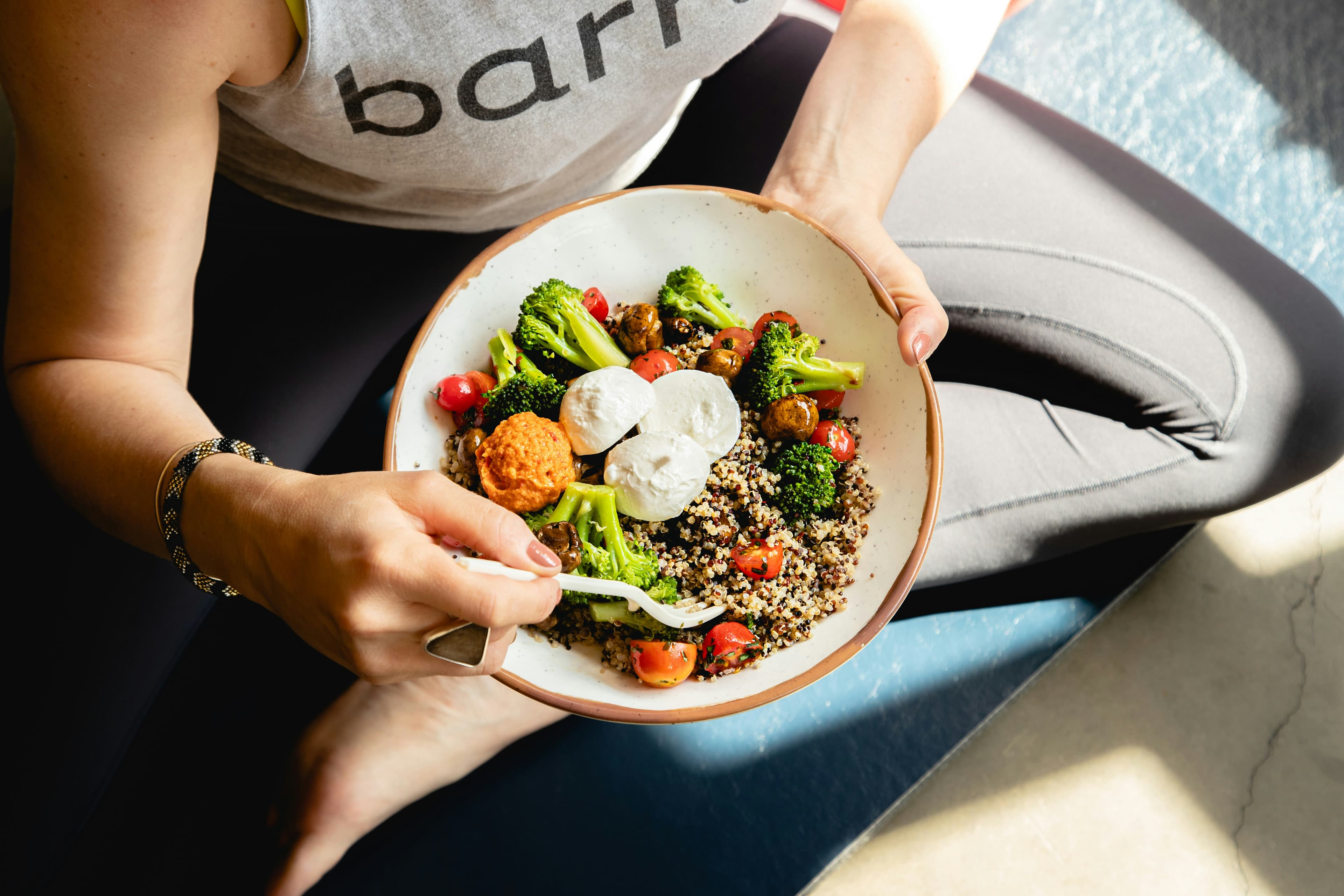
If you've ever felt "butterflies" in your stomach before a big moment or a gut reaction to stress, you've already experienced the gut-brain connection.
At ONE Nutrition, we know mental health isn't just "in your head"—it's closely tied to your gut health. Emerging research shows that your digestive system plays a powerful role in how you feel, think, and function every day.
What Is the Gut-Brain Connection?
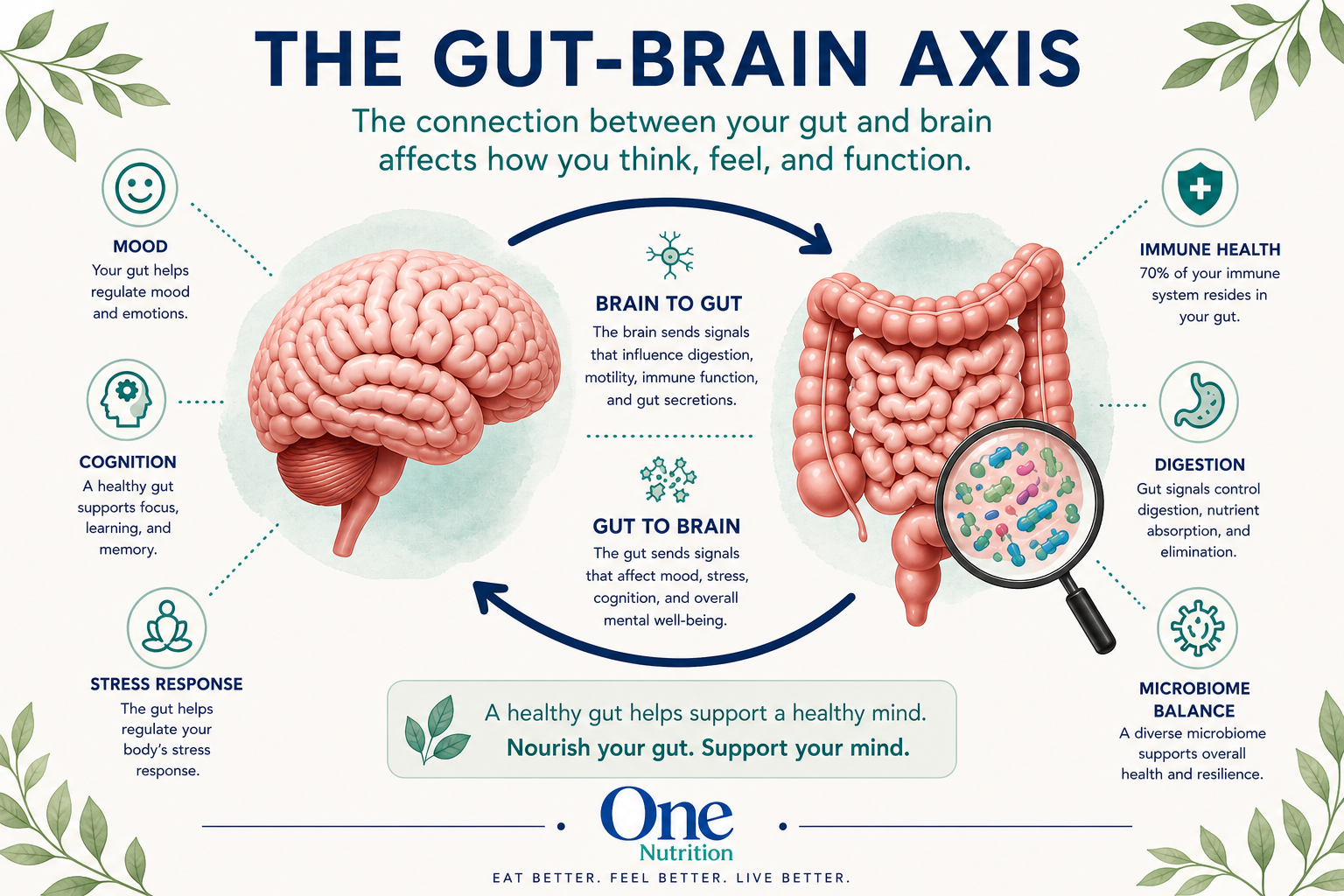
Your gut and brain are constantly communicating through what's known as the gut-brain axis—a two-way connection between your digestive system and your central nervous system.
About 70% of your immune system lives in your gut, and your gut microbiome (the trillions of bacteria in your digestive tract) helps regulate inflammation, neurotransmitters, and overall health.
When your gut is balanced, your body functions more efficiently. But when it's not, it can impact far more than digestion.
The gut-brain connection is a two-way communication system that influences mood, energy, and overall mental well-being.
How Gut Health Affects Mental Health
Research suggests that your gut plays a key role in producing neurotransmitters, including serotonin, often referred to as the "feel-good" chemical.
In fact, a significant portion of serotonin is produced in the gut.
When gut health is disrupted, it may contribute to:
- Brain fog
- Low energy
- Mood changes
- Difficulty concentrating
Emerging evidence also links chronic inflammation in the body to mental health conditions, including anxiety and depression. Because the gut is central to inflammation regulation, supporting gut health may also support mental well-being.
Signs Your Gut Health May Be Off
Your body often gives subtle signals when something isn't right.
You may want to take a closer look at your gut health if you're experiencing:
- Frequent fatigue
- Brain fog or difficulty focusing
- Digestive issues (bloating, discomfort, irregularity)
- Mood swings or increased irritability
- Feeling "off" without a clear reason
These symptoms are often interconnected, not isolated.
How Stress Impacts the Gut
Your gut microbiome reflects your lifestyle, including stress levels.
When you experience stress, your body shifts into "fight or flight" mode. This can slow digestion, alter gut bacteria, and increase inflammation.
Over time, chronic stress may contribute to:
- Reduced gut diversity
- Increased inflammatory responses
- Changes in digestion and nutrient absorption
This is why supporting both nutrition and lifestyle is essential for long-term health.
Foods That Support Gut and Mental Health
Supporting your gut doesn't require extreme changes—just consistent, intentional habits.
We focus on four key areas:
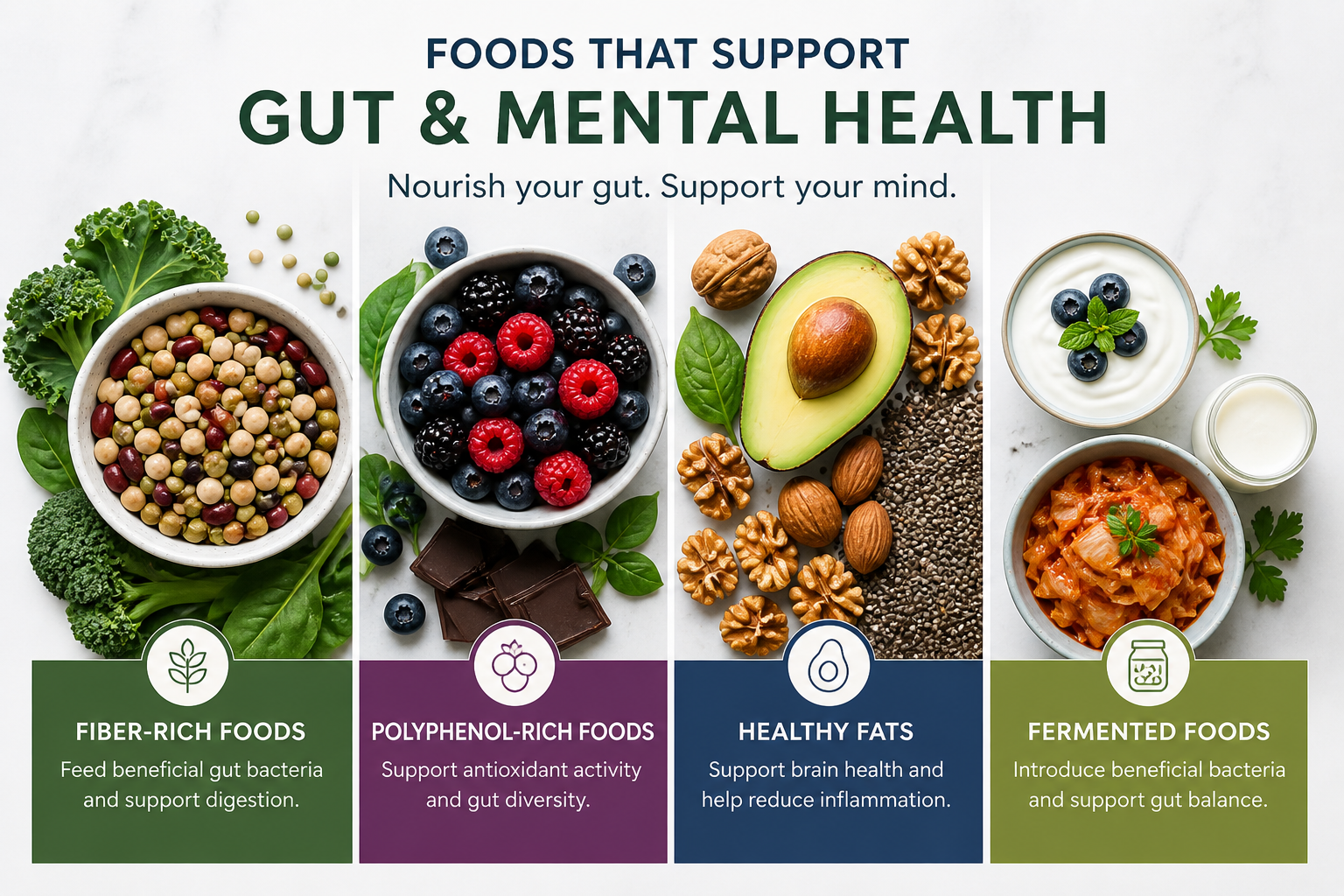
1. Fiber-Rich Foods
Found in beans, whole grains, fruits, and vegetables → Helps feed beneficial gut bacteria and support digestion
2. Polyphenols
Found in colorful foods like berries, leafy greens, and herbs → Support antioxidant activity and gut diversity
3. Healthy Fats
Found in foods like avocados, walnuts, chia seeds, and fatty fish → Support brain health and reduce inflammation
4. Fermented Foods
Found in yogurt, kefir, kimchi, and sauerkraut → Introduce beneficial bacteria into the gut
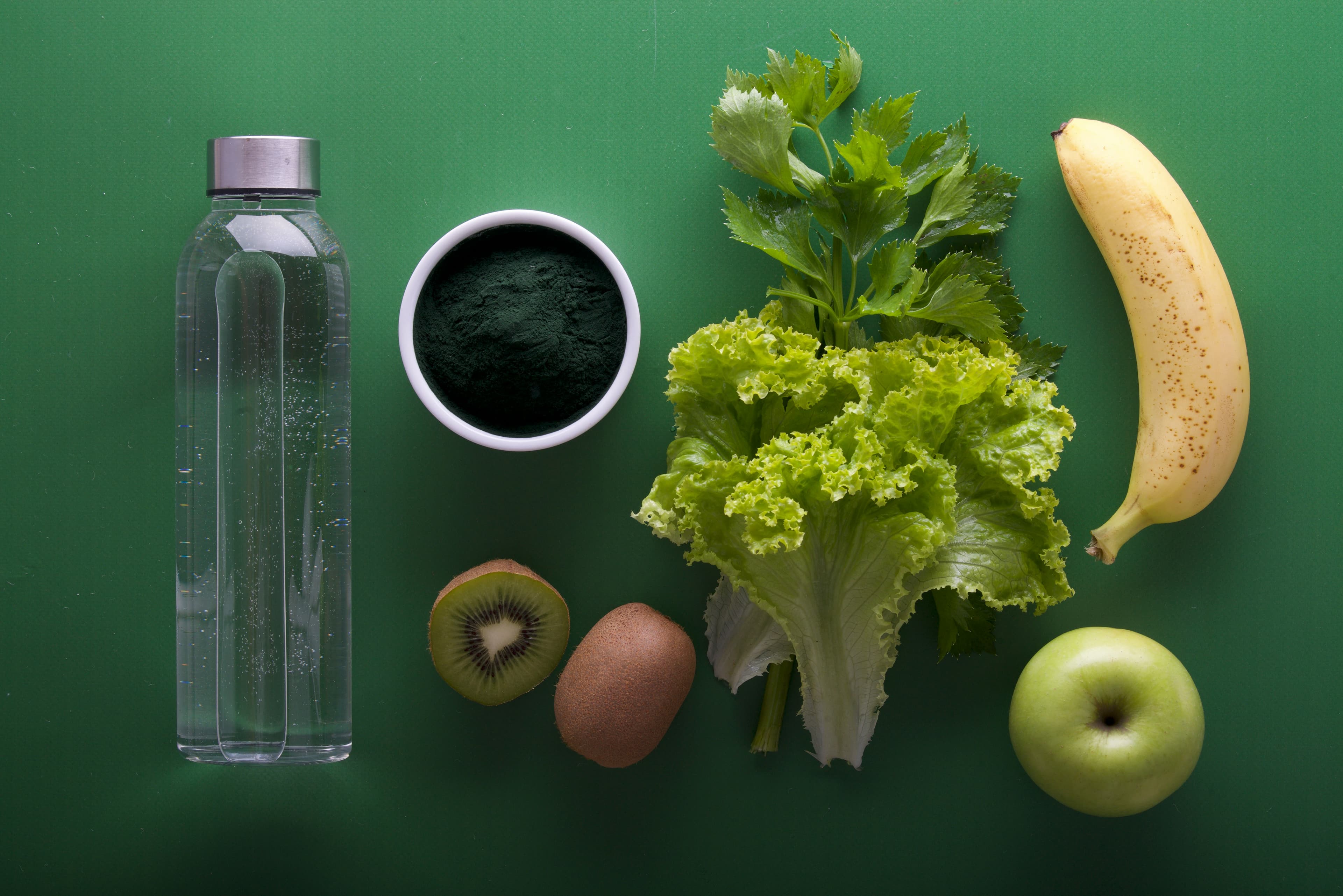
Nutrient-rich foods like fiber, healthy fats, and fermented options help support a balanced gut and a healthier mind.
Simple Ways to Support Your Gut Daily
Small, consistent habits can make a meaningful difference.
Start with:
- Eating balanced meals throughout the day
- Including fiber-rich foods regularly
- Staying hydrated
- Avoiding long gaps between meals
- Limiting highly processed foods
These foundational habits help stabilize energy, support digestion, and improve overall well-being.
This Is Where Personalized Support Makes a Difference
Understanding the gut-brain connection is one thing, knowing how to apply it to your daily life is where real change happens.
How ONE Nutrition Supports Your Gut and Mental Health
At ONE Nutrition, we don't offer one-size-fits-all plans. We help you understand what your body needs and how to make it work in your real life.
Our Registered Dietitians work with you to:
Identify what's actually driving your symptoms
Whether it's low energy, brain fog, mood changes, or digestive discomfort, we look at the full picture, not just isolated symptoms.
Build a plan that fits your lifestyle
No extremes, no unrealistic rules. We focus on simple, sustainable nutrition strategies that support both your gut and your mental well-being.
Support consistency and accountability
Change doesn't happen overnight. We guide you step-by-step so you can build habits that last and feel the difference.
Connect nutrition to how you feel daily
We help you understand how your food choices impact your energy, focus, and mood so you can make decisions with confidence.
Provide care that's personalized and accessible
Our sessions are virtual, flexible, and often covered by insurance, making it easier to get the support you need.
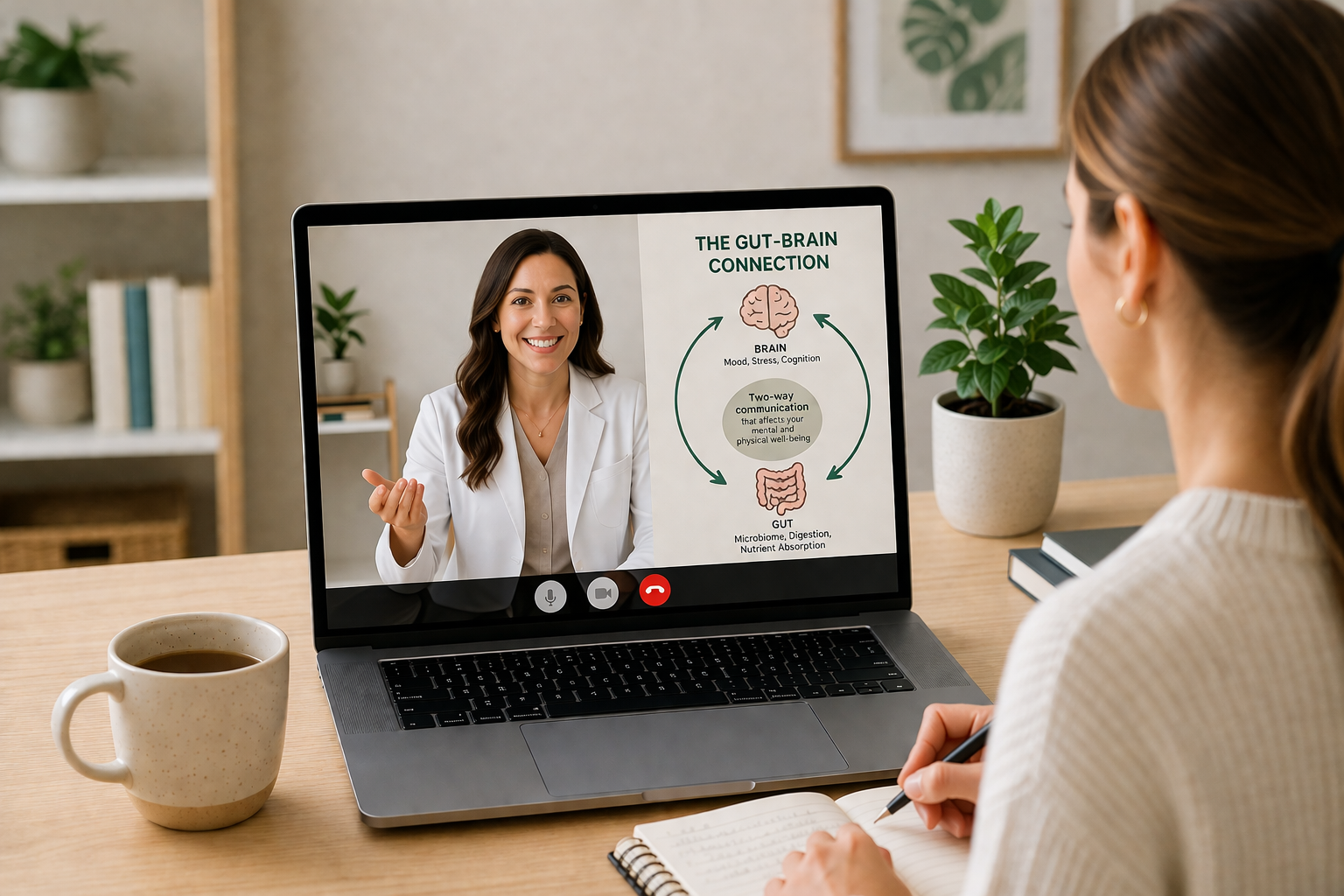
Working with a Registered Dietitian provides personalized, evidence-based support to improve gut health and mental well-being.
You Don't Have to Figure This Out Alone
If you've been feeling low energy, mentally drained, or just not like yourself, your nutrition may be part of the picture.
We're here to help you feel better—with a plan that works for you.
👉 Book a virtual consultation today 👉 Most services are covered by insurance
Eat better. Feel better. Live better.
This content is for informational purposes only and is not intended as medical advice. Always consult with a qualified healthcare provider for personalized care.
Related Articles
Continue your nutrition journey

Gut Health Nutritionist Near Me: Heal Your Gut Naturally with Expert Support
Learn how gut health nutrition support can help people with bloating, constipation, diarrhea, and food sensitivities build a steadier digestive routine.
•9 min read

Virtual Dietitian for Gut Health Support: Personalized Help for IBS, Bloating, and Food Sensitivities
Learn how a virtual dietitian for gut health support can help with IBS, bloating, constipation, reflux, and food sensitivities through personalized online nutrition counseling.
•7 min read
IBS & Gut Health: Real-World Nutrition Strategies to Calm Your Gut
Struggling with IBS? Discover gut-healing diets, foods to avoid, and dietitian-approved nutrition tips for symptom relief and weight management.
•10 min read