Heart Health
Heart Health and Your Plate: A Dietitian’s Guide to Blood Pressure and Cholesterol
9 min read
By ONE Nutrition team
Reviewed by Yesenia Chediak, RD, LDN
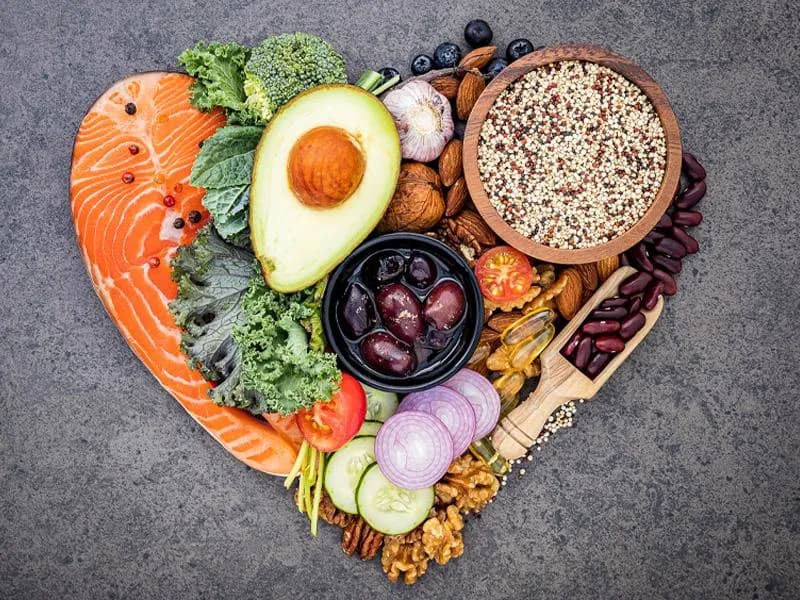
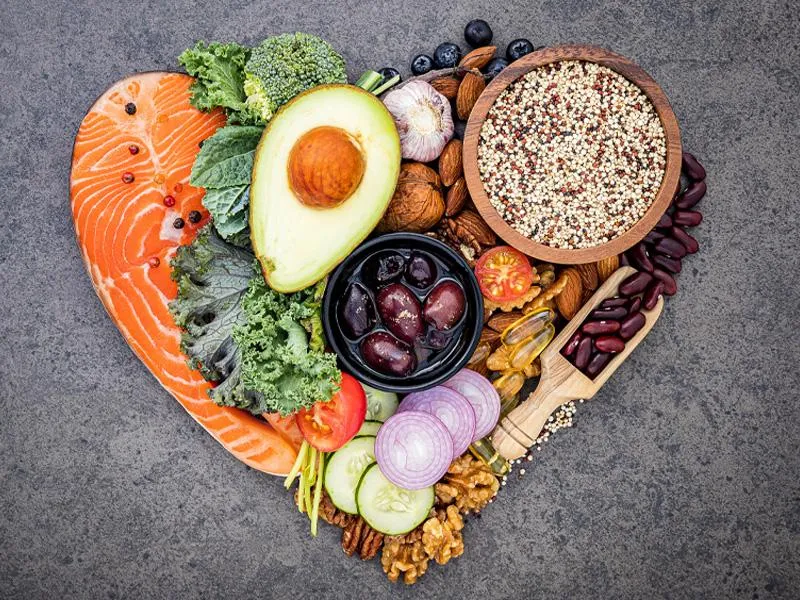
Heart health can feel complicated. You may have heard advice about lowering sodium, eating more fiber, choosing healthier fats, or following the DASH diet—but knowing where to start is often the hardest part.
The good news is that supporting your heart does not require a perfect diet or a complete overhaul of your eating habits. A few sustainable changes, personalized to your preferences and health needs, can make a meaningful difference over time.
Nearly 48.1% of U.S. adults—about 119.9 million people—have high blood pressure, according to the Centers for Disease Control and Prevention. Among adults with hypertension, only about 1 in 4 has their blood pressure under control.
Nutrition is one important part of managing cardiovascular risk, alongside movement, sleep, stress management, medications when prescribed, and regular medical care.
A Registered Dietitian can help you create a heart-healthy eating pattern that works in real life—not a rigid plan that ignores your culture, schedule, budget, or favorite foods.
How Does Nutrition Affect Blood Pressure and Cholesterol?
The foods you eat can influence several factors connected to cardiovascular health, including blood pressure, LDL cholesterol, triglycerides, blood sugar, and body weight.
For example:
- Higher sodium intake can contribute to elevated blood pressure, particularly in people who are more sodium-sensitive.
- Saturated fat can raise LDL cholesterol, often called “bad” cholesterol.
- Soluble fiber can help reduce the amount of cholesterol absorbed into the bloodstream.
- Potassium-rich foods may support healthy blood pressure for many people. However, potassium needs should be individualized for people with kidney disease or those taking certain medications.
- Unsaturated fats can support heart health when they replace saturated fats.
- Highly processed foods and sugary drinks may make it harder to meet heart-health goals when consumed frequently.
This does not mean that one food determines your heart health. Your overall eating pattern matters more than any single meal. The goal is to build a balanced approach that you can maintain consistently.
What Is a DASH-Style Eating Pattern?
DASH stands for Dietary Approaches to Stop Hypertension. The DASH eating pattern was developed to help lower blood pressure and has also been shown to improve LDL cholesterol and other cardiovascular risk factors.
According to the National Heart, Lung, and Blood Institute, DASH emphasizes:
- Vegetables and fruits
- Whole grains
- Beans, lentils, nuts, and seeds
- Fish and seafood
- Lean poultry and other lean proteins
- Low-fat or fat-free dairy, when tolerated
- Unsaturated oils such as olive or canola oil
It also limits sodium, saturated fat, added sugars, and highly processed foods.
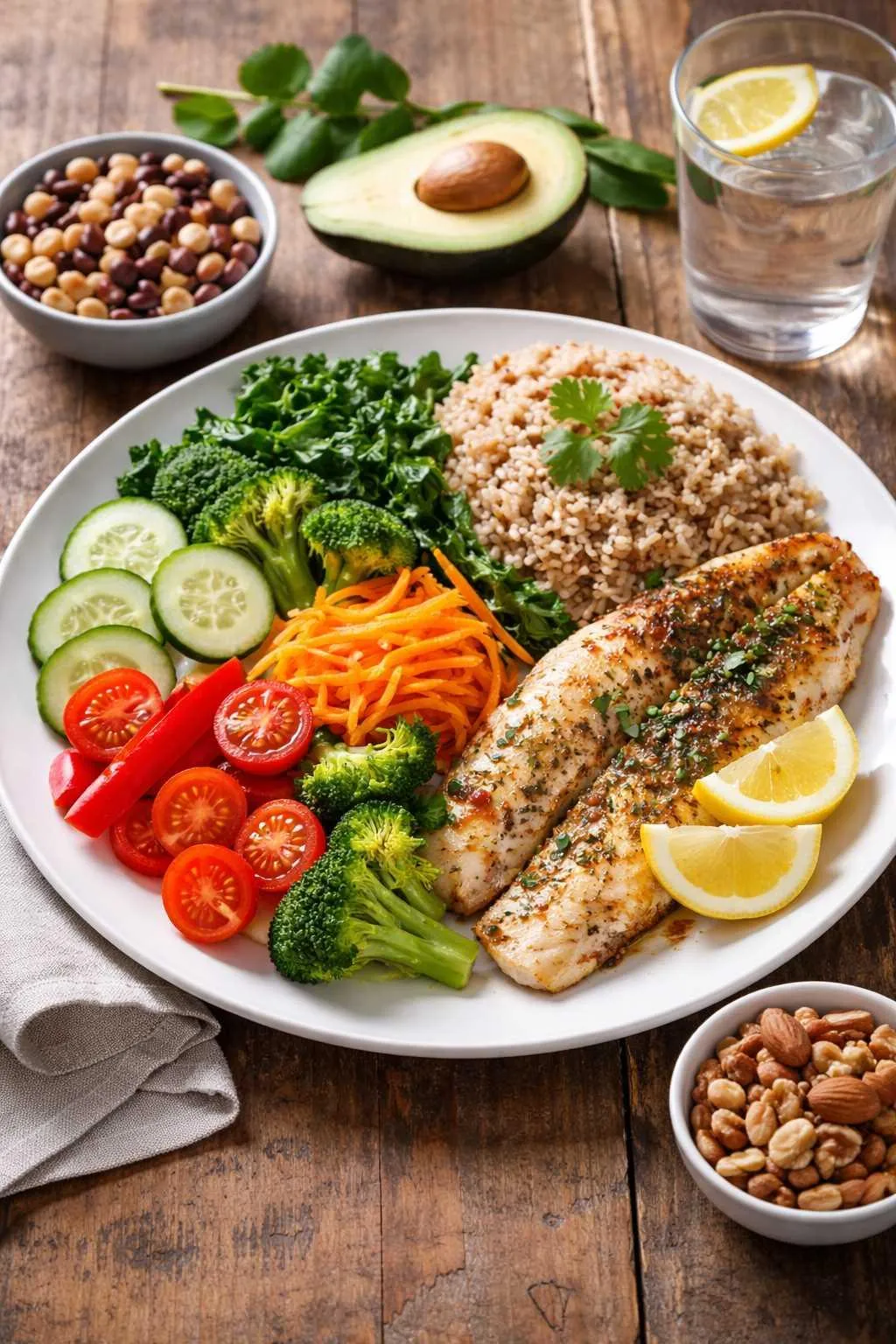
You do not need to follow DASH perfectly to benefit from its principles. One practical way to apply DASH principles is to use a balanced plate framework:
- Fill half your plate with vegetables and fruit.
- Fill one quarter with whole grains or another high-fiber carbohydrate.
- Fill one quarter with protein.
- Add a small portion of healthy fat.
This structure can be adapted to many cuisines and food preferences. Beans and brown rice, lentil curry with vegetables, grilled fish with plantains and salad, tofu with whole-grain noodles, and chicken with roasted vegetables can all fit within a heart-supportive eating pattern.
Sodium Awareness: Look Beyond the Salt Shaker
When people think about sodium, they often think about table salt. However, much of the sodium in the average diet comes from packaged, restaurant, and prepared foods.
Common sources include:
- Deli meats and processed meats
- Canned soups
- Frozen meals
- Sauces, dressings, and marinades
- Salty snacks
- Breads and tortillas
- Fast food and restaurant meals
- Pre-seasoned meats and vegetables
The DASH eating plan uses a sodium limit of 2,300 mg per day, with 1,500 mg per day as a lower-sodium option that may further reduce blood pressure. Individual sodium goals may vary based on health conditions, medications, and recommendations from your healthcare team.
A Registered Dietitian can help you reduce sodium without making food bland. Sustainable strategies may include:
- Choosing no-salt-added beans and rinsing canned beans
- Comparing sodium on labels between similar products
- Using fresh or frozen vegetables instead of highly seasoned versions
- Flavoring meals with garlic, citrus, vinegar, herbs, and spices
- Preparing a few more meals at home each week
- Selecting sauces and condiments with less sodium
- Asking for dressings and sauces on the side when eating out
You do not have to eliminate every packaged food. Small, repeated changes are often more realistic and effective than strict rules.
How Fiber Can Help Support Healthy Cholesterol
Fiber is found in plant foods, and many adults do not get enough. Increasing fiber gradually may help support digestion, blood sugar, weight management, and cholesterol levels.
Foods especially helpful for a cholesterol-lowering eating pattern include:
- Oatmeal and oat bran
- Barley
- Beans and lentils
- Apples, berries, pears, and citrus
- Vegetables
- Chia, flax, and other seeds
- Nuts
- Whole-grain bread, pasta, and rice
Soluble fiber—the type found in foods such as oats, beans, apples, and barley—can help reduce LDL cholesterol.
A simple strategy is to include one fiber-rich food at every meal.
For example:
- Add berries or ground flaxseed to oatmeal.
- Choose a bean-based soup or lentil salad for lunch.
- Use brown rice, quinoa, or barley instead of refined grains.
- Snack on fruit with unsalted nuts.
- Add vegetables to sandwiches, pasta, rice dishes, and eggs.
Increase fiber slowly and drink enough fluids, especially if your current intake is low. This can help reduce bloating or discomfort while your body adjusts.
Choose Healthy Fats More Often
Fat is not inherently unhealthy. Heart health may benefit from choosing more unsaturated fats while reducing saturated and trans fats.
Heart-supportive sources include:
- Olive, canola, soybean, sunflower, and other liquid plant oils
- Avocado
- Walnuts, almonds, and other unsalted nuts
- Seeds and nut butters
- Salmon, trout, sardines, and other fatty fish
- Tofu and other soy foods
Saturated fats are more common in fatty meats, processed meats, butter, full-fat dairy, and some packaged baked goods.
Current American Heart Association dietary guidance emphasizes an overall heart-healthy dietary pattern and choosing sources of unsaturated fats in place of saturated fats when possible.
This might look like:
- Using olive oil instead of butter for sautéing
- Adding avocado to toast or meals
- Choosing beans or fish instead of fatty meats several times per week
- Enjoying plain or lower-added-sugar yogurt topped with fruit and nuts for a satisfying snack or dessert
- Choosing unsalted nuts instead of chips more often
The goal is not to fear fat or remove foods you enjoy. It is to identify realistic opportunities to make heart-supportive choices more often.
How a Registered Dietitian Can Help With High Blood Pressure and Cholesterol
General heart-health advice is useful, but personalized support can make it easier to put that advice into practice.
A Registered Dietitian may help you:
- Understand your blood pressure or cholesterol goals
- Review your usual meals and identify practical changes
- Build a culturally respectful DASH-style eating pattern
- Plan lower-sodium meals that still taste satisfying
- Increase fiber without worsening digestive symptoms
- Choose foods that fit your budget and schedule
- Coordinate nutrition strategies with medical conditions or medications
- Set goals that are specific, flexible, and sustainable
Nutrition counseling should not feel judgmental. Your dietitian’s role is to listen, understand what matters to you, and help you make informed decisions—not to prescribe a fad diet or demand perfection.

Frequently Asked Questions About Heart-Healthy Nutrition
What foods can help lower cholesterol?
Foods rich in soluble fiber, such as oats, barley, beans, lentils, apples, and citrus, can support healthy LDL cholesterol levels. Replacing sources of saturated fat with unsaturated fats from foods such as olive oil, nuts, seeds, avocado, and fish can also support cardiovascular health.
What is the DASH diet?
DASH stands for Dietary Approaches to Stop Hypertension. It emphasizes vegetables, fruits, whole grains, beans, nuts, seeds, low-fat dairy, fish, poultry, and plant oils while limiting sodium, saturated fat, and added sugars.
How much sodium should I eat if I have high blood pressure?
The DASH eating plan uses 2,300 mg of sodium per day, with 1,500 mg as a lower-sodium option that may provide additional blood-pressure benefits. Individual needs can differ based on medical conditions, medications, and recommendations from your healthcare team.
Can a dietitian help with high blood pressure or high cholesterol?
Yes. A Registered Dietitian can assess your current eating pattern and help you develop practical strategies related to sodium, fiber, dietary fats, meal planning, and other nutrition factors that support your overall treatment plan.
Heart Health Support From ONE Nutrition
At ONE Nutrition, our Registered Dietitians provide compassionate, evidence-based nutrition counseling through convenient virtual appointments. We support adults managing high blood pressure, high cholesterol, diabetes, weight concerns, and other cardiovascular risk factors.
Many eligible clients with BCBS PPO, Aetna, or Cigna may pay $0 out of pocket for nutrition counseling, depending on individual plan benefits and eligibility.
Check Your Insurance Benefits | Find a Dietitian
A heart-healthy eating pattern does not need to be perfect to be meaningful. Start with one change—adding a vegetable, choosing a lower-sodium option, switching to olive oil, or including oats or beans more often.
With the right support, those small steps can become part of a sustainable plan for your health.
Explore more evidence-based nutrition guidance on the ONE Nutrition Blog.
Evidence-Based Sources & Further Reading
- Centers for Disease Control and Prevention — High Blood Pressure Facts and Statistics
- National Heart, Lung, and Blood Institute — DASH Eating Plan
- National Heart, Lung, and Blood Institute — Heart-Healthy Foods
- American Heart Association — Dietary Guidance to Improve Cardiovascular Health
This article is for educational purposes only and is not a substitute for individualized medical advice, diagnosis, or treatment. Nutrition needs may vary based on medical conditions, medications, laboratory results, and other individual factors.