PCOS
Is It PCOS or PMOS? How an Online Nutritionist Helps You Manage Your Metabolic Health
8 min read
By ONE Nutrition team
Reviewed by Yesenia Chediak, RDN

If you've been diagnosed with Polyendocrine Metabolic Ovarian Syndrome (PMOS), formerly known as Polycystic Ovary Syndrome (PCOS), you've likely heard a lot of advice.
Most of it probably sounds like a broken record: "Just lose weight," "Stop eating carbs," or "Try this 30-day detox."
But here is the reality that many doctors don't have the time to explain: PMOS is not a lack of willpower. It is a complex whole-body endocrine and metabolic condition that affects your hormones, your insulin levels, your weight, your cardiovascular health, and your relationship with your body.
At ONE Nutrition, we believe you deserve better than generic advice. You deserve a partner who understands the science behind your symptoms and the cultural nuances of your dinner table. That's where a specialized pcos nutritionist online comes in. If you have been searching for a pmos nutritionist, personalized virtual care can help connect your symptoms, labs, and daily routines. By utilizing Medical Nutrition Therapy (MNT), we move past "dieting" and into a realm of sustainable, evidence-based healing.
The Science: Why PMOS is More Than Just "Irregular Periods"
As published in The Lancet, the new official name Polyendocrine Metabolic Ovarian Syndrome (PMOS) replaces PCOS to better reflect the condition's whole-body hormonal and metabolic nature, not just its ovarian or reproductive features. The change is intended to reduce stigma, improve diagnosis, and help both patients and providers recognize the bigger picture: insulin resistance, weight management challenges, and cardiovascular health all matter here.
PMOS affects 1 in 8 women worldwide and is often misunderstood as simply a reproductive issue. In reality, it sits at the intersection of your metabolic and hormonal health. You may still see PCOS used during this transition, but PMOS is the updated term.
The Insulin Resistance Connection
Approximately 70% of women with PMOS (formerly PCOS) have some level of insulin resistance. This means your body's cells don't respond effectively to insulin, causing your pancreas to pump out more of it. High levels of insulin don't just affect your blood sugar; they tell your ovaries to produce more testosterone (androgens).
This "hormonal hijack" leads to the symptoms you might be struggling with right now:
- Unwanted hair growth (hirsutism) or thinning hair on the head.
- Persistent acne.
- Stubborn weight gain around the midsection.
- Intense sugar cravings and "hangry" episodes.
- Irregular or absent menstrual cycles.
Chronic Inflammation
Research shows that many individuals with PMOS also live with low-grade chronic inflammation. This inflammation can further drive insulin resistance and make weight management feel like an uphill battle while also affecting long-term cardiometabolic health.
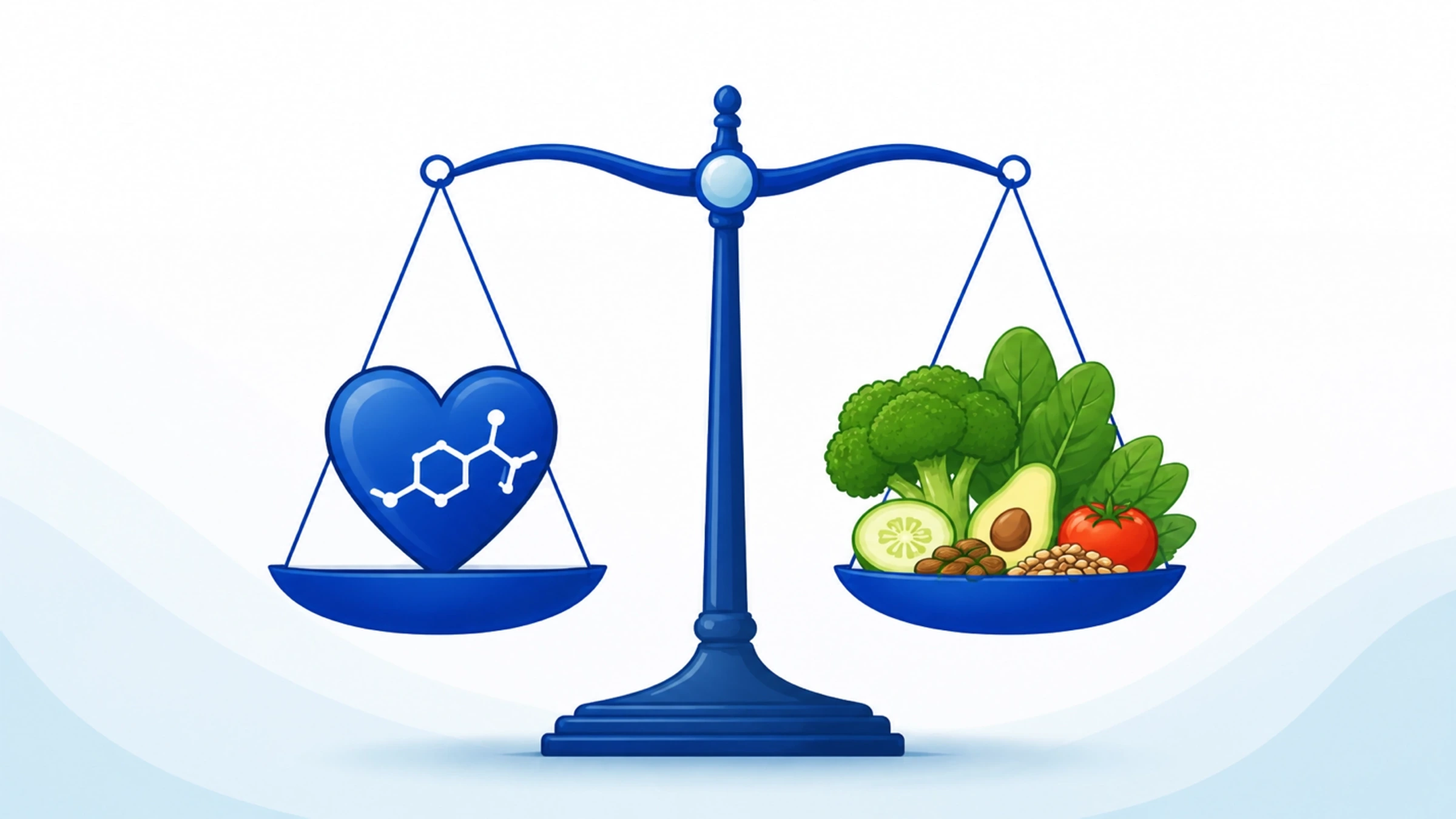
Why a Registered Dietitian is Your Secret Weapon
You might wonder, "Can't I just Google a PCOS meal plan?" You could, but generic plans often miss the most important factor: you.
A Registered Dietitian (RD) is a credentialed medical professional. Unlike a "health coach" or a "nutritionist" with minimal training, an RD completes extensive clinical education and is qualified to provide Medical Nutrition Therapy (MNT).
What is Medical Nutrition Therapy (MNT)?
MNT is an evidence-based approach to treating medical conditions through specifically tailored nutrition. When you work with a PMOS specialist at ONE Nutrition, MNT looks like:
- In-depth Lab Analysis: Looking at your A1c, fasting insulin, lipid panels, and hormone levels to see the full picture.
- Symptom Management: Identifying which foods trigger your inflammation and which ones soothe your system.
- Sustainable Habit Building: Moving away from restrictive "all-or-nothing" diets that crash your metabolism and leave you feeling defeated.
The "Online" Advantage: Care That Fits Your Life
Finding a PMOS specialist shouldn't depend on your zip code. One of the biggest game-changers for hormonal health has been the rise of virtual nutrition counseling.
Accessibility and Comfort
Discussing your weight, your cycle, and your eating habits can feel vulnerable. Being able to have these conversations from the comfort of your own home, where you feel safe and in control, can make care more approachable and more consistent.
Consistency is Key
Hormonal balance doesn't happen overnight. It requires consistent check-ins and adjustments. With virtual appointments, you don't have to worry about traffic, parking, or taking half a day off work. You can check in with your RD during your lunch break or after your kids are in bed.

The ONE Nutrition Difference: No Fads, Just Results
At ONE Nutrition, we do things differently. We aren't here to sell you a supplement or a restrictive "PCOS diet" that bans your favorite cultural foods.
1. Culturally Respectful Care
We know that food is more than just fuel; it's connection, heritage, and joy. Whether your plate usually features rice and beans, naan, pasta, or plantains, we work with your traditions. We don't believe in "stripping" your identity to fix your hormones. We find ways to balance your favorite meals so they support your health goals.
2. Insurance-Friendly ($0 Out of Pocket)
Healthcare should be accessible. We are proud to be insurance-friendly. Many of our clients with BCBS PPO, Aetna, and Cigna pay $0 out of pocket for their sessions. We believe professional nutrition support should be accessible, not treated like a luxury.
3. A Non-Judgmental, Evidence-Based Space
If you've ever felt dismissed by medical professionals who told you to "just eat less," we hear you. Our dietitians are trained to be compassionate and non-judgmental. We focus on adding nutrient-dense foods and practical strategies rather than taking away everything you love.
Practical Tips: Balancing Your Plate for PMOS
While every body is different, here are a few science-backed strategies our PMOS nutritionists often implement:
"Protein, Fat, and Fiber" – The Magic Trio
To combat insulin resistance, we want to avoid "naked carbs" (carbs eaten alone). When you eat a piece of fruit or a bowl of pasta, pair it with protein (eggs, chicken, tofu), healthy fats (avocado, nuts), and fiber (leafy greens, seeds). This slows down the absorption of sugar, preventing the massive insulin spikes that drive PMOS symptoms.
Focus on Anti-Inflammatory Foods
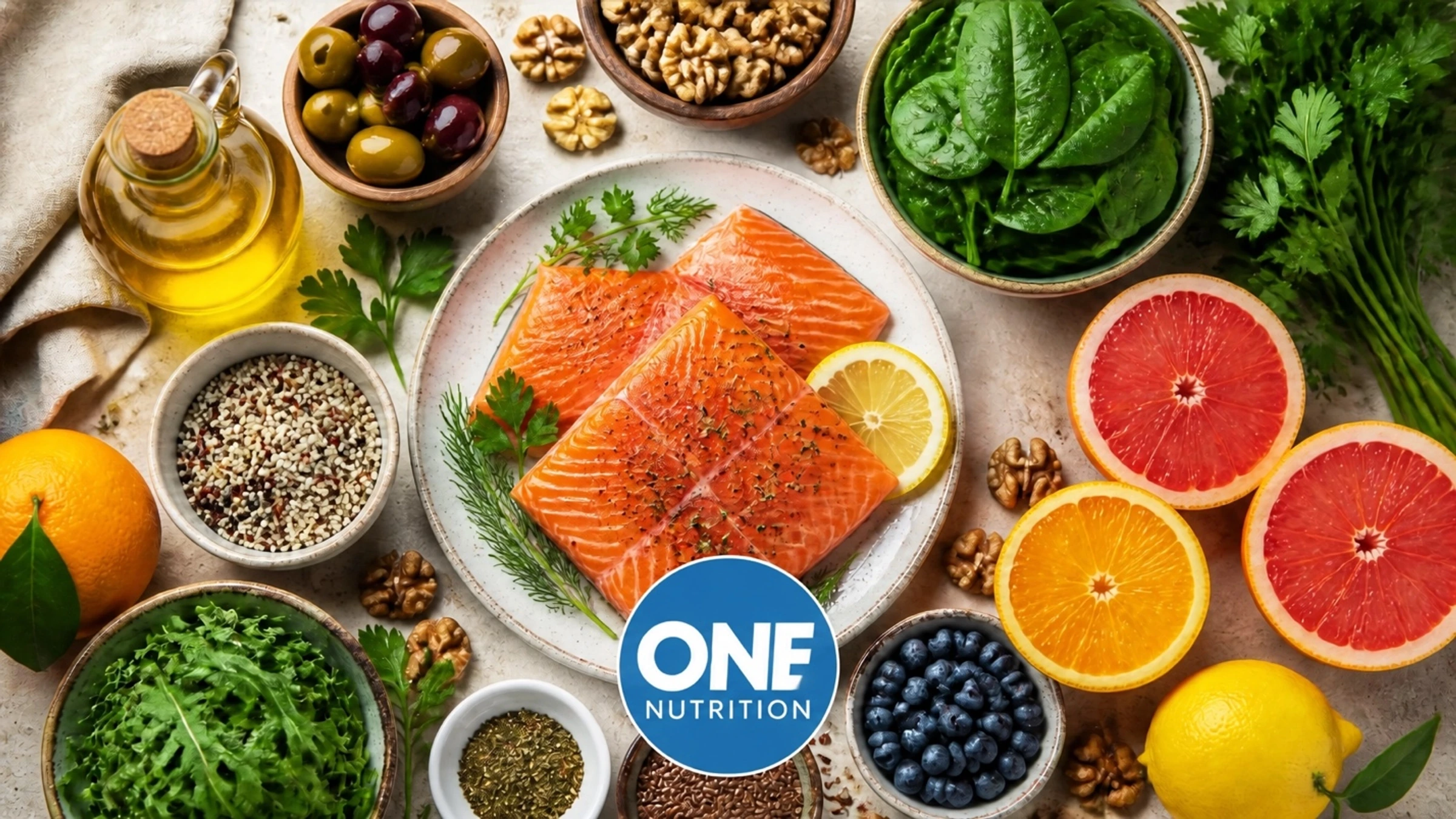
Incorporate foods rich in Omega-3 fatty acids and antioxidants. Think of your plate as a colorful canvas.
- Omega-3s: Salmon, walnuts, chia seeds.
- Antioxidants: Berries, spinach, turmeric, and cruciferous vegetables like broccoli.
Don't Fear Carbs: Choose the Right Ones
You don't need to go "Keto" to manage PMOS. In fact, for many women, extreme low-carb diets can increase stress hormones (cortisol), which further disrupts the delicate hormonal balance. Instead, focus on complex carbohydrates like quinoa, sweet potatoes, and legumes that provide sustained energy and fiber.
Take the Next Step Toward Balance
Living with PMOS can feel overwhelming, but you don't have to walk it alone. Whether you are looking to optimize your fertility, manage your weight, support insulin resistance, or simply stop feeling exhausted every afternoon, we are here to help.
Our team of licensed Registered Dietitians is ready to provide the personalized, science-backed support you've been looking for. We'll help you navigate your labs, your lifestyle, and your grocery store with confidence.
Many clients with BCBS PPO, Aetna, and Cigna pay $0 out of pocket for virtual nutrition counseling, making expert support easier to access.
If you'd like to explore more nutrition resources first, visit our blog index.
Ready to see the difference a PMOS specialist can make?
Find your dietitian and book your virtual appointment today.
Related Articles
Continue your nutrition journey