Nutrition Education
Going Plant-Based? A Dietitian's Guide to Getting Enough Protein, Iron, and Calcium
10 min read
By ONE Nutrition team
Reviewed by Yesenia Chediak, RD
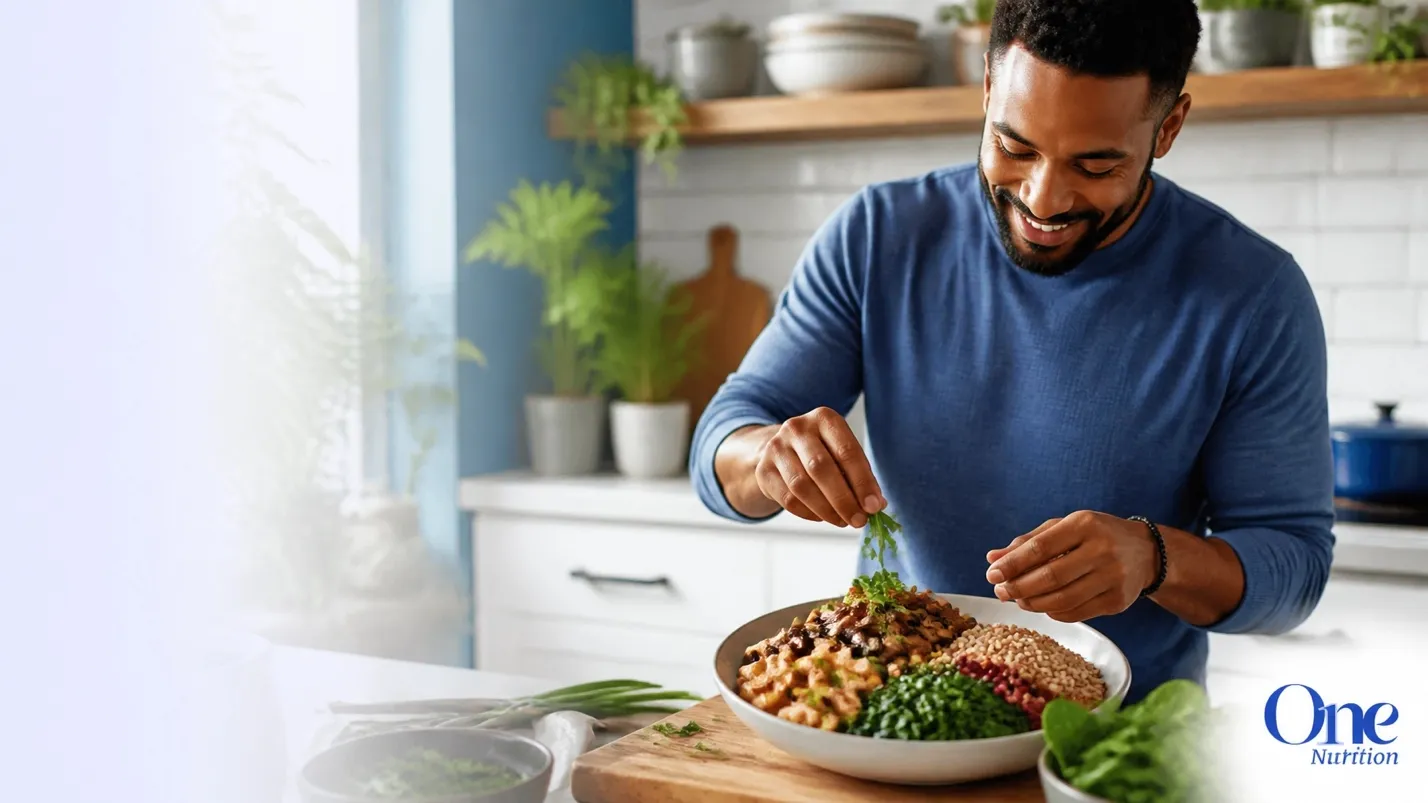
Whether you are reducing meat, eating vegetarian, or moving toward a fully vegan diet, plant-based eating can be both nourishing and satisfying. The key is not perfection: it is building meals with enough variety to meet your individual needs.
A well-planned plant-based pattern can include vegetables, fruits, beans, lentils, tofu, whole grains, nuts, seeds, and fortified foods. However, nutrients such as protein, iron, vitamin B12, and calcium deserve special attention.
If you're considering a plant-based or vegan diet and aren't sure whether you're meeting your nutritional needs, a registered dietitian can help. ONE Nutrition's dietitians provide individualized guidance based on your health goals, food preferences, culture, budget, medical needs, and lifestyle, without rigid rules or fad diets.
What does “plant-based” mean?
“Plant-based” can describe several eating patterns. Some people eat mostly plants while occasionally including meat, fish, eggs, or dairy. Others follow a vegetarian diet that includes dairy and eggs, or a vegan diet that excludes all animal-derived foods.
There is no single correct way to eat plant-based. A healthy approach should support your energy, medical needs, relationship with food, and enjoyment of meals.
The foundation is a varied eating pattern that includes:
- Fruits and vegetables
- Beans, lentils, peas, and other pulses
- Tofu, tempeh, edamame, and other soy foods
- Whole grains such as oats, brown rice, quinoa, and whole-grain bread
- Nuts, seeds, avocado, and plant oils
- Fortified foods, such as some plant milks and breakfast cereals
The NHS guidance on vegan diets emphasizes variety, fortified foods, and supplements for nutrients that may be more difficult to obtain from plants alone.
How to Get Enough Protein on a Plant-Based Diet
Protein is important for maintaining muscle, supporting immune function, repairing tissues, and helping you feel satisfied after meals. Many people worry that a plant-based diet automatically means low protein, but most people can meet their needs with consistent meal planning.
For healthy adults, the general protein recommendation is about 0.8 grams per kilogram of body weight per day. Protein needs may be higher during pregnancy, adolescence, older age, recovery from illness, or periods of intensive training.
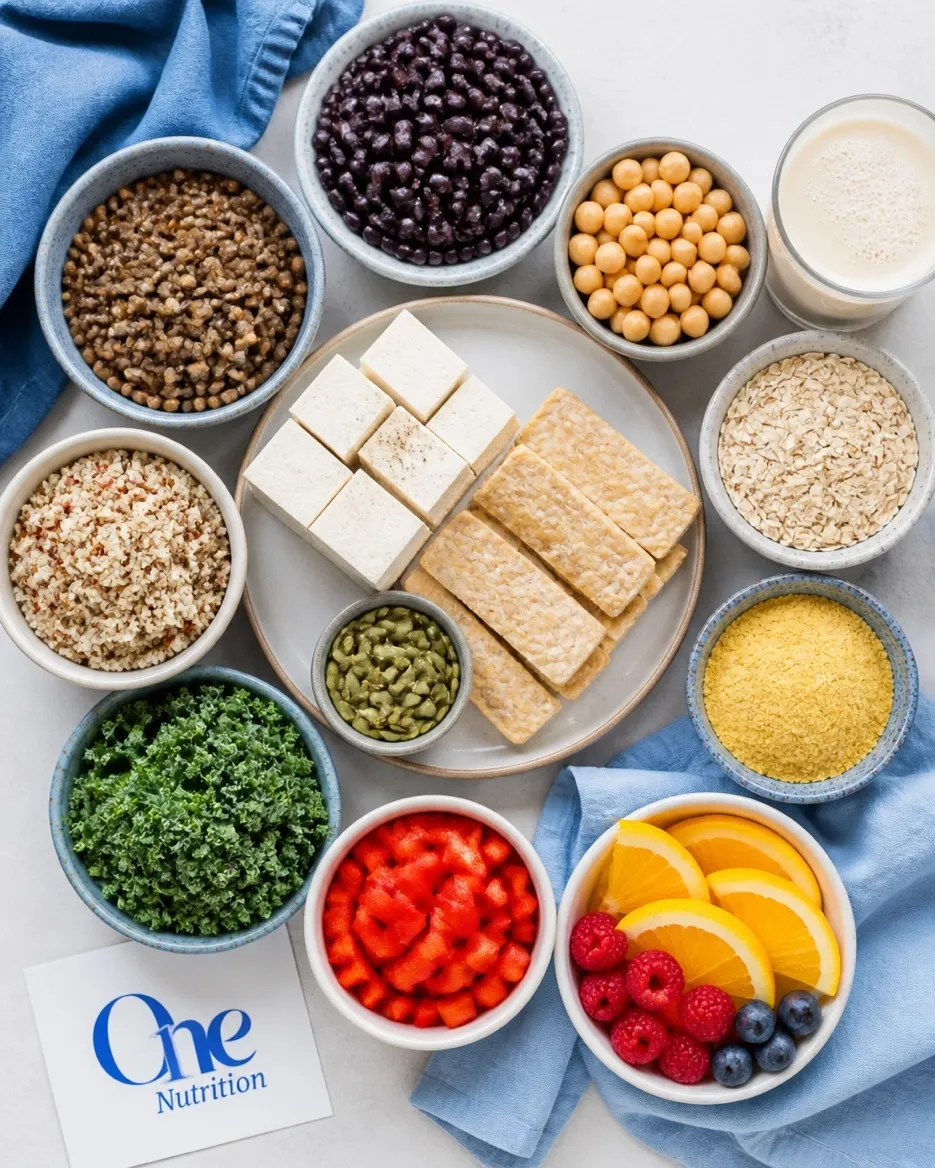
Reliable plant protein sources
Try including a protein-rich food at most meals:
- Lentils, black beans, kidney beans, chickpeas, and peas
- Tofu, tempeh, edamame, and soy milk
- Seitan, if you tolerate gluten
- Peanuts, almonds, walnuts, and other nuts
- Pumpkin, hemp, chia, and sunflower seeds
- Quinoa, oats, buckwheat, and other whole grains
- Fortified or higher-protein plant-based meat alternatives
You do not need to combine specific plant proteins at every meal to create a “complete” protein. Eating a varied diet throughout the day provides the amino acids your body needs.
A simple meal formula is:
Protein food + whole grain or starchy food + vegetables or fruit + healthy fat
For example, try a tofu and vegetable stir-fry with brown rice, lentil soup with whole-grain bread, or a chickpea bowl with quinoa, roasted vegetables, tahini, and lemon.
How to Get Enough Iron on a Plant-Based Diet
When it comes to plant-based iron, food combinations matter. Iron helps your body make hemoglobin, the protein that carries oxygen through your blood. Plant foods contain non-heme iron, which is absorbed differently from the heme iron found in animal foods.
The recommended amount for most adult men is 8 milligrams per day, while women ages 19–50 generally need 18 milligrams per day. The National Institutes of Health notes that people who do not eat meat, poultry, or seafood may need nearly twice the standard amount because non-heme iron is not absorbed as efficiently.
Plant-based sources of iron
Include foods such as:
- Lentils, beans, chickpeas, peas, and soy foods
- Iron-fortified breakfast cereals and breads
- Tofu and tempeh
- Pumpkin seeds, sesame seeds, and cashews
- Quinoa and other whole grains
- Spinach, kale, and other leafy greens
- Raisins, prunes, and dried apricots
Vitamin C improves the absorption of non-heme iron. Pair iron-rich foods with bell peppers, tomatoes, citrus fruit, strawberries, kiwi, broccoli, or other vitamin C-rich produce.
For example:
- Add tomatoes and bell peppers to bean tacos.
- Serve lentils with a citrusy cabbage slaw.
- Top oatmeal with pumpkin seeds and berries.
- Add lemon juice to a chickpea and kale salad.
Tea and coffee can reduce iron absorption when consumed with meals, so consider drinking them between meals if iron status is a concern.
Do not begin high-dose iron supplements without professional guidance. Iron can be harmful in excess, and fatigue or weakness may have causes other than iron deficiency. A healthcare professional can determine whether blood tests, such as a complete blood count and ferritin, are appropriate.
Vitamin B12: The nutrient every vegan needs to plan for
Vitamin B12 supports healthy blood cells, nerve function, and DNA production. Unlike protein or iron, vitamin B12 is not reliably available from unfortified plant foods.
Adults generally need 2.4 micrograms of vitamin B12 per day, but people following a fully vegan diet should use a dependable source of B12 through fortified foods, supplements, or both.
Reliable options may include:
- Fortified plant milks
- Fortified breakfast cereals
- Fortified nutritional yeast
- Fortified meat alternatives
- A vitamin B12 supplement
Always check the Nutrition Facts or Supplement Facts label because fortification levels vary by product. The NIH Office of Dietary Supplements vitamin B12 fact sheet explains that plant foods do not naturally contain B12 unless it has been added through fortification.
B12 deficiency can develop gradually because the body stores a significant amount of the vitamin. If you have followed a vegan diet for some time, take medications that affect absorption, have a digestive condition, or experience persistent fatigue, numbness, or tingling, speak with your healthcare provider.
Calcium: Support bone health with consistent sources
Calcium is needed for strong bones and teeth, as well as muscle, nerve, and blood vessel function. Most adults need about 1,000 milligrams per day. Some adults, particularly women over 50 and adults over 70, need 1,200 milligrams daily.
Plant-based calcium sources include:
- Calcium-fortified soy, pea, almond, or oat milk
- Fortified plant-based yogurt
- Calcium-set tofu
- Kale, bok choy, broccoli, cabbage, and collard greens
- Tahini and sesame seeds
- Beans, lentils, and chickpeas
- Fortified cereals or orange juice
Not all leafy greens provide calcium equally well. Spinach contains calcium, but compounds called oxalates limit how much your body absorbs. Include a variety of greens, fortified foods, and calcium-set tofu instead of relying on one food.
A practical goal is to include two to three calcium-rich servings each day. Vitamin D also helps your body absorb calcium, so fortified foods and individualized supplementation may be important.
How to Build a Balanced Plant-Based Plate
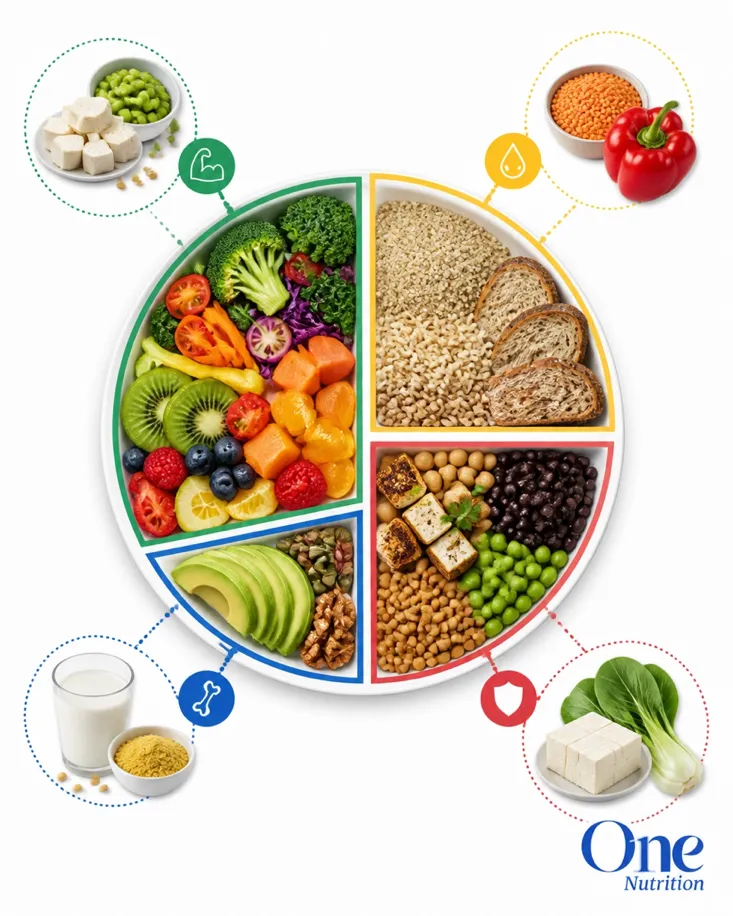
A balanced plant-based plate does not need to be complicated. Start with these four components:
1. Fill about half the plate with vegetables and fruit
Choose fresh, frozen, or canned produce based on what is accessible and enjoyable. Include different colors throughout the week, such as leafy greens, orange vegetables, tomatoes, berries, and peppers.
2. Add a quarter plate of protein
Choose beans, lentils, tofu, tempeh, edamame, seitan, or another protein-rich food.
3. Add a quarter plate of whole grains or starchy foods
Brown rice, quinoa, oats, potatoes, corn tortillas, whole-grain pasta, or whole-grain bread can provide energy and fiber.
4. Include a source of healthy fat
Add avocado, tahini, nuts, seeds, or olive oil. Fat helps with satisfaction and supports the absorption of certain fat-soluble vitamins.
A sample day might look like:
- Breakfast: Oatmeal with fortified soy milk, chia seeds, berries, and peanut butter
- Lunch: Chickpea and quinoa bowl with greens, tomatoes, cucumbers, tahini, and lemon
- Dinner: Tofu stir-fry with broccoli, peppers, mushrooms, and brown rice
- Snack: Fortified plant-based yogurt with fruit and pumpkin seeds
Depending on your diet pattern and health needs, you may also need to consider vitamin D, iodine, zinc, and omega-3 fats. These needs are especially important for children, teens, pregnant or breastfeeding individuals, older adults, athletes, and people managing a chronic condition.
When working with a plant-based dietitian can help
Online advice often presents plant-based eating as a strict list of “good” and “bad” foods. A registered dietitian takes a different approach. Your plan should fit your life: not require you to follow someone else’s routine.
ONE Nutrition dietitians can help you:
- Meet protein, iron, B12, and calcium needs
- Plan balanced meals for your family
- Adapt traditional or culturally meaningful recipes
- Choose supplements based on your diet, medications, and lab results
- Support pregnancy, sports performance, diabetes, digestive health, or weight management
- Create a flexible approach that does not rely on restriction or guilt
Frequently Asked Questions About Plant-Based Nutrition
Can you get enough protein on a plant-based diet?
Yes. Beans, lentils, tofu, tempeh, edamame, nuts, seeds, whole grains and other plant foods can contribute protein throughout the day. Individual protein needs vary based on factors such as age, activity level, pregnancy and health status.Do vegans need a vitamin B12 supplement?
Vitamin B12 is not reliably available from unfortified plant foods. People following a fully vegan diet need a dependable source through fortified foods, supplementation or both.How can I absorb more iron from plant foods?
Pairing plant-based iron sources with vitamin C-rich foods can improve non-heme iron absorption. Examples include beans with tomatoes or peppers, oatmeal with berries, or chickpeas and greens with lemon.Do I need supplements on a plant-based diet?
It depends on your dietary pattern and individual needs. Vitamin B12 requires particular attention for people following a vegan diet, while vitamin D, calcium, iodine, iron, zinc and omega-3 intake may also need consideration. A registered dietitian or healthcare provider can help determine what's appropriate for you.
Build a Plant-Based Eating Pattern That Works for You
Whether you're fully vegan, vegetarian, or simply eating more plant-based meals, your nutrition plan should support your individual health needs and lifestyle.
Work with a Registered Dietitian
Get personalized guidance for protein, iron, vitamin B12, calcium and overall nutrition.
Check Your Insurance Benefits
Many clients pay $0 out of pocket with eligible Aetna, Cigna and BCBS plans.*
Check your insurance and get an estimate, or find a registered dietitian with experience in plant-based and vegan nutrition.
A nourishing plant-based diet is possible: and it does not have to be perfect. With the right food variety, fortified products, and individualized support, you can build an eating pattern that supports your health and feels sustainable.
Explore more evidence-based nutrition guidance on the ONE Nutrition blog.
Sources
Related Articles
Continue your nutrition journey