Weight Management
7 Common Mistakes People Make on GLP-1s (And How Medical Nutrition Therapy Fixes Them)
7 min read
By ONE Nutrition team
Reviewed by Yesenia Chediak, RDN

GLP-1 medications like Ozempic, Wegovy, and Zepbound can be highly effective tools for weight management and metabolic health. Many people notice reduced appetite, less "food noise," and meaningful progress toward their health goals.
However, these medications are not a complete nutrition plan on their own. Some people begin losing weight but also experience fatigue, nausea, constipation, or difficulty meeting their nutrient needs. This is where Medical Nutrition Therapy (MNT), provided by a registered dietitian, can make a major difference in both comfort and long-term results. If you have been searching for GLP-1 nutrition help or a nutritionist for weight loss near me, individualized support can help you feel better while protecting your results.
At ONE Nutrition, we work with patients every day who are learning how to eat well, manage side effects, and protect their health while using GLP-1 medications. Below are seven common mistakes we see and how professional nutrition support helps address them.
1. Inadequate Protein Intake (Muscle Loss)
When appetite decreases, protein intake often drops too. One of the most common mistakes on GLP-1 medications is assuming that all weight loss is beneficial. Without enough protein, the body may break down muscle tissue along with body fat.
The Risk: You may reach a lower number on the scale while also lowering your metabolic rate and reducing strength and lean body mass.
The MNT Fix: A registered dietitian helps determine your individual protein needs, often in the range of 1.0–1.5 g per kg of body weight depending on your clinical picture and goals. We then help you build meals and snacks around practical protein sources such as Greek yogurt, fish, eggs, poultry, beans, or tofu so that weight loss supports body composition, not muscle loss.

2. Skipping Meals Because Hunger Feels Different
GLP-1 medications slow gastric emptying, so food stays in the stomach longer. Because fullness lasts longer, it can become easy to skip meals and unintentionally eat far less than the body needs.
The Risk: Undereating can contribute to fatigue, brain fog, hair loss, brittle nails, and poor nutrient intake. It can also make it harder to maintain health and energy if medication doses change over time.
The MNT Fix: We use structured eating to help patients nourish themselves consistently, even when hunger cues are reduced. A dietitian may recommend 5–6 smaller meals or snacks that are nutrient-dense and better tolerated, helping stabilize energy, blood sugar, and overall intake.
3. Overlooking Hydration
Many patients on GLP-1 medications experience dehydration. This can happen because people are eating less food overall, getting less fluid from food, and sometimes noticing changes in thirst cues.
The Risk: Dehydration can worsen nausea, headaches, dizziness, and constipation.
The MNT Fix: An RD can create a hydration plan that focuses on steady fluid intake throughout the day. Instead of drinking large amounts at once, many patients do better with smaller, consistent sips between meals. An RD may also discuss electrolytes when appropriate.

4. Not Getting Enough Fiber
If overall food intake is lower, fiber intake is often lower too. Combined with slower digestion from GLP-1 medications, that can create significant constipation and digestive discomfort.
The Risk: Ongoing constipation can affect quality of life, worsen GI symptoms, and make it harder to stay consistent with treatment.
The MNT Fix: This is where GLP-1 nutrition help becomes especially valuable. A dietitian can help you increase fiber gradually using better-tolerated choices such as oats, fruit, vegetables, legumes, and psyllium when appropriate, while also balancing hydration to support digestion.
5. Choosing Foods That Worsen Side Effects
Because digestion is slower on GLP-1 medications, heavier or high-fat meals may sit in the stomach longer and trigger uncomfortable symptoms.
The Risk: This can lead to reflux, nausea, bloating, and sulfur burps.
The MNT Fix: An RD can guide patients toward a more gentle approach to eating by identifying personal trigger foods, adjusting meal timing, and choosing cooking methods and textures that are often easier to tolerate, especially around injection days.
6. Relying on Medication Without Building Habits
GLP-1 medications are powerful tools, but they work best when paired with sustainable nutrition and lifestyle habits. Long-term success usually depends on what happens outside of the prescription itself.
The Risk: Without supportive routines, weight regain and frustration can become more likely if the medication is reduced or stopped.
The MNT Fix: Our weight management services focus on practical behavior change, balanced eating patterns, stress management, and realistic movement goals. An RD helps patients use this time to build habits that support long-term health.
7. Trying to Manage Side Effects Without Professional Support
Many people attempt to work through GLP-1 side effects on their own using online forums or generic advice.
The Risk: Misinformation can delay progress or even create safety concerns, especially for people with conditions such as diabetes or PCOS.
The MNT Fix: Medical Nutrition Therapy is a clinical service provided by a licensed registered dietitian. We consider your symptoms, medical history, lab work, food preferences, and personal goals to develop a plan that is individualized and evidence-based.
Why Work With ONE Nutrition?
Navigating GLP-1 medications should not feel overwhelming. At ONE Nutrition, we believe people deserve access to expert, individualized nutrition care that is practical, respectful, and evidence-based.
- Insurance-Friendly Care: We accept many major insurance plans, including BCBS, Aetna, and Cigna, and many clients have $0 out-of-pocket costs for nutrition visits.
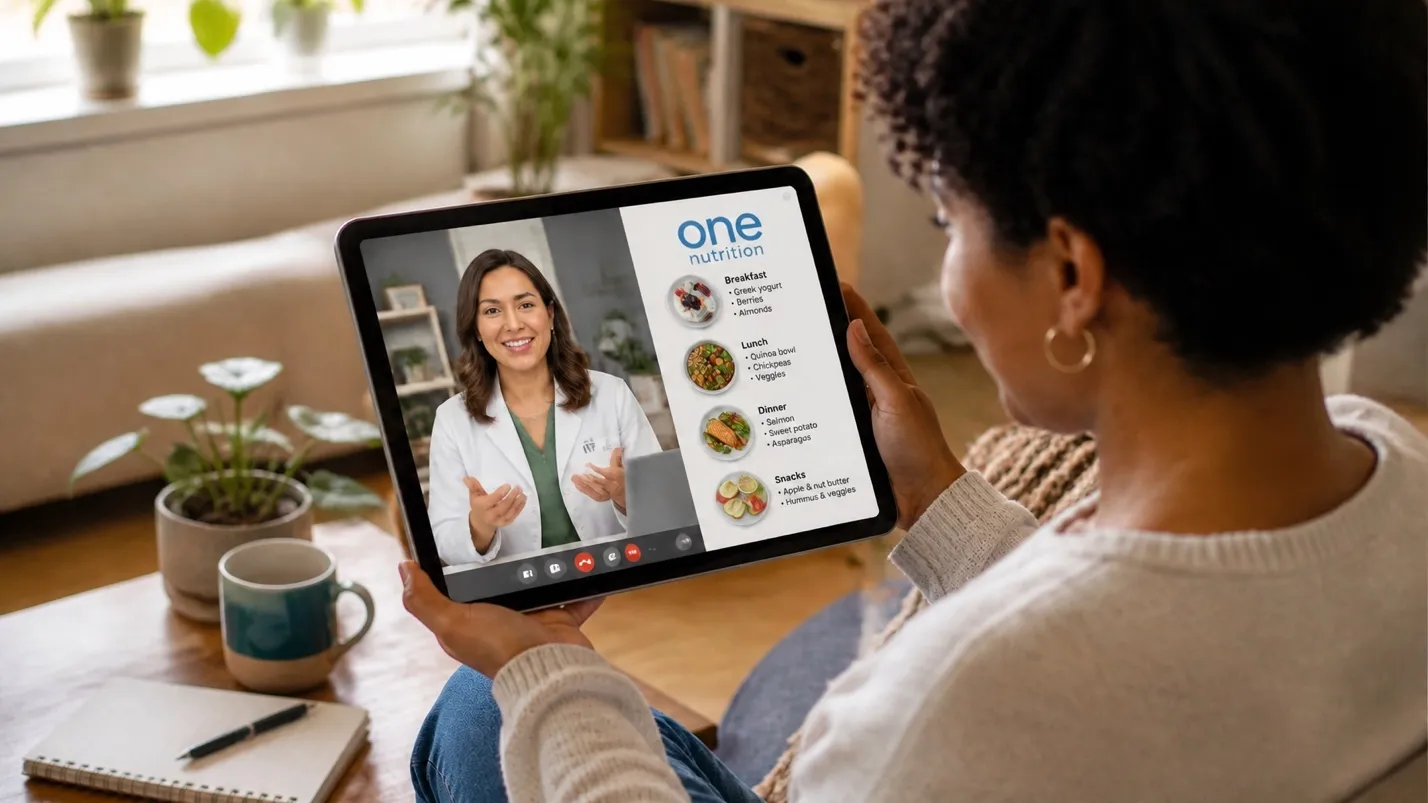
- Virtual Appointments: We offer convenient virtual care, making it easier to connect with a dietitian from home.
- Evidence-Based Guidance: We do not use fad diets or one-size-fits-all plans. Our recommendations are grounded in science and tailored to your needs.
- Whole-Person Support: Whether you are managing gut health or navigating pregnancy, our team provides compassionate support that meets you where you are.
For more nutrition resources, visit our blog index.
Stop Guessing, Start Thriving
If you are taking a GLP-1 medication and not feeling your best, professional guidance can help. You should not have to choose between progress and feeling well. With support from a registered dietitian, you can work toward both.
Ready to get the GLP-1 nutrition help you deserve?
Related Articles
Continue your nutrition journey

Weight Management Dietitian: Sustainable Weight Loss Without Fad Diets
Learn how weight management nutrition support from a registered dietitian can help you build sustainable meals, protect muscle, and improve metabolic health.
•9 min read

GLP-1 and Nutrition: What to Eat While Taking Semaglutide or Tirzepatide
Learn what to eat while taking GLP-1 medications like semaglutide or tirzepatide. Discover dietitian-backed nutrition strategies to support weight loss and health.
•8 min read
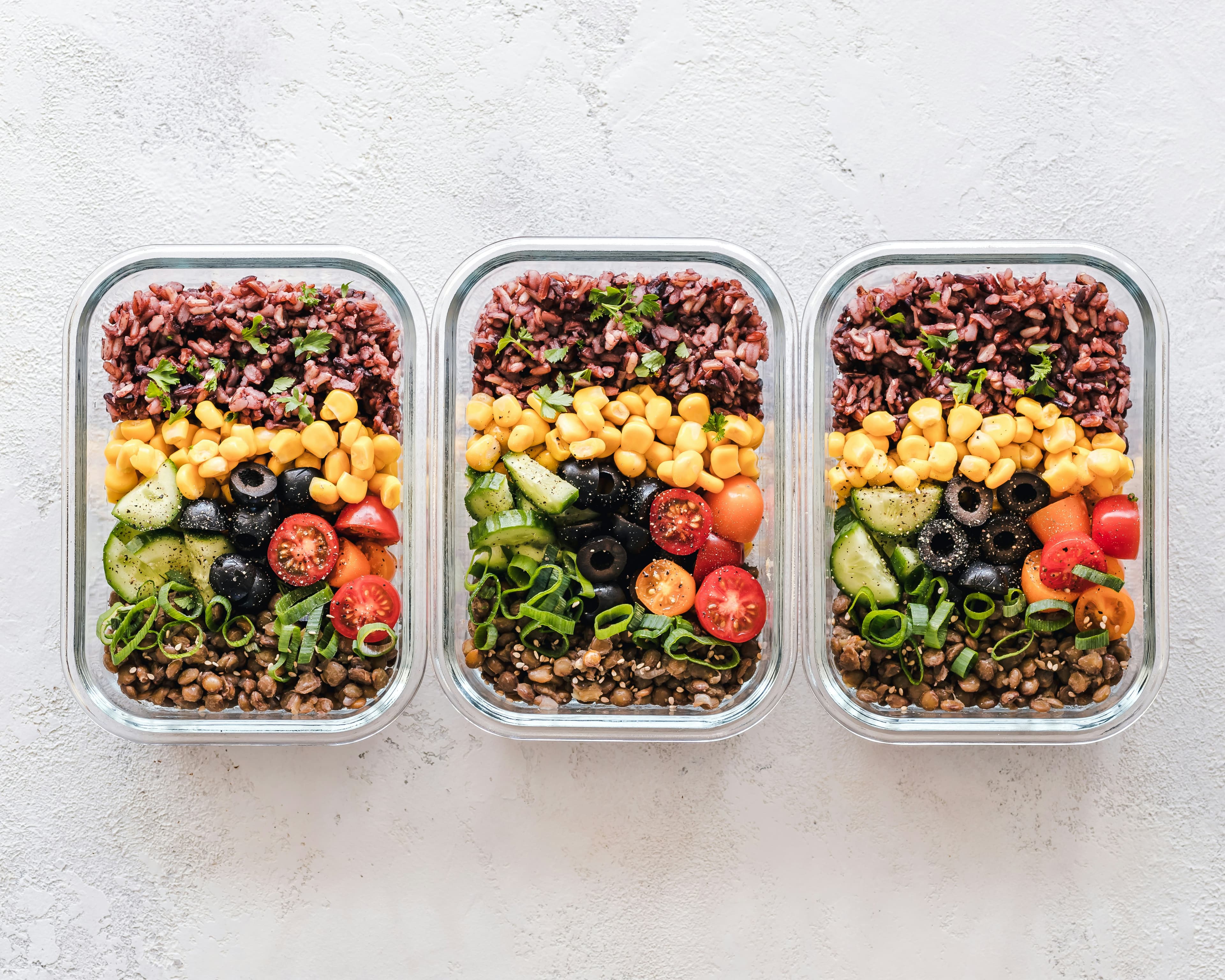
Registered Dietitian for Online Meal Planning: Personalized Virtual Support That Simplifies Healthy Eating
See how a registered dietitian for online meal planning can create personalized menus, grocery guidance, and flexible virtual nutrition support for weight management, gut health, diabetes, and more.
•7 min read